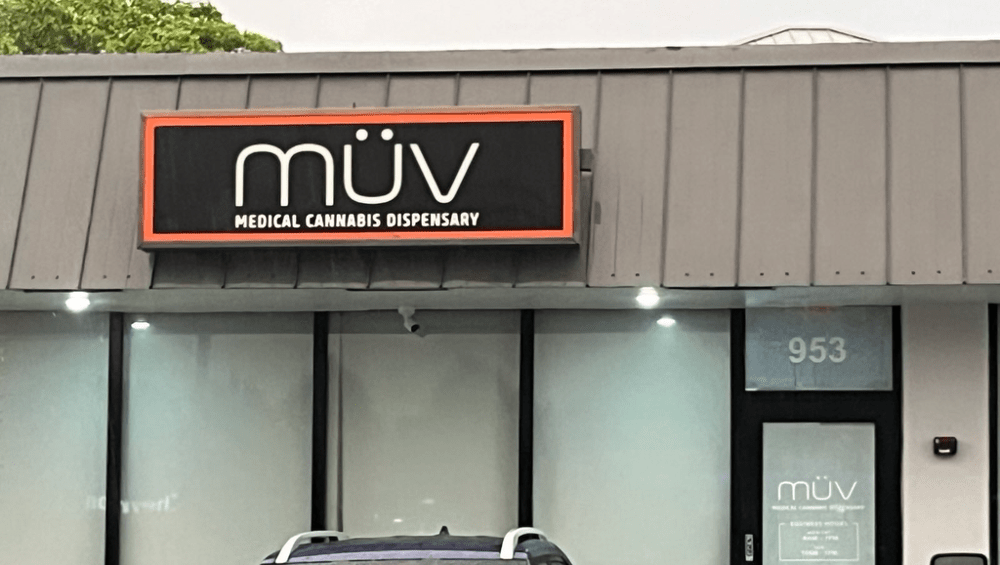
Florida’s medical marijuana market often gets described with one phrase: vertically integrated. Under Florida law, licensed Medical Marijuana Treatment Centers (MMTCs) are the only entities allowed to cultivate, process, and dispense medical cannabis, and they must be authorized across those stages before selling to patients.
That structure wasn’t accidental. It was designed for tight oversight in a state rolling out a new, federally illegal product category. Supporters argue that when one licensee controls the entire chain—seed to sale—regulators can more easily track inventory, enforce testing and labeling rules, and execute recalls. Florida’s statute also bakes in compliance expectations, including recall obligations tied to product safety and labeling accuracy.
But as an economic reality, vertical integration rewards scale. Building cultivation, manufacturing, distribution logistics, and retail storefronts is expensive. It requires real estate, security, skilled labor, technology, and the working capital to survive crop cycles and product development. Those are strengths that large, multi-state operators (MSOs) already have, because they can spread costs across markets, hire specialized teams, and raise capital more easily than a local startup.
So, does Florida’s program “favor” MSOs? In practice, it often does—at least on the business-entry side. Vertical integration functions like a high wall around the market: to compete, a company must be good at everything, not just one thing. In states with license “splits” (separate permits for cultivation, manufacturing, distribution, and retail), smaller businesses can specialize. Florida’s model largely removes that ladder, because MMTCs must handle the whole supply chain—cultivation, processing, transportation, and dispensing—rather than letting independent specialists do one job well.
The Florida Supreme Court’s decision upholding the statute’s vertical integration requirement matters because it signals this structure isn’t a temporary quirk—it’s a durable feature of the program unless lawmakers change it.
Patients feel the downstream effects. When fewer companies can afford to enter, competition is constrained. Limited competition can mean higher prices, fewer niche products, and slower innovation—especially for small-batch formulations that don’t scale well. Even when MMTCs compete hard on branding and promotions, the playing field is still shaped by who can finance the full stack, from cultivation buildouts to statewide retail expansion.
Still, the argument isn’t one-sided. Florida is a huge medical market with strict compliance expectations, and vertical integration can create stability: consistent supply, standardized processes, and the ability to invest in testing, quality assurance, and traceability systems. Some patients value that predictability more than a “craft” ecosystem. Regulators also tend to prefer having a clear party responsible when something goes wrong, instead of chasing accountability across multiple license holders.
If Florida wanted to keep the safety benefits while reducing MSO advantage, there are workable middle paths: micro-licenses with capped canopy and limited storefronts; limited wholesale transactions between licensed businesses; independent dispensary licenses that purchase tested products from in-state manufacturers; and narrow outsourcing permissions (like distribution) under strict audits and seed-to-sale tracking.
The core question is what Florida wants its medical program to optimize for. If the priority is maximum control and uniform compliance, vertical integration delivers that—at the cost of entrepreneurship and local ownership. If the priority is a more diverse, competitive market that still protects patients, Florida may need to loosen the chain in targeted, carefully regulated ways. Until then, Florida’s rules don’t just incidentally benefit big operators; they’re practically built for them, and patients deserve an honest debate about that tradeoff. A system that prioritizes oversight can be smart, but it shouldn’t require billion-dollar balance sheets for Florida entrepreneurs to participate meaningfully in their communities.